


Supported Playtime
)%20(1)_edited.jpg)

0-3 Building a Growth Mindset: Supported Playtime Made Simple
The easiest way to increase both listening and language in children ages 0-3 is a technique called Floortime (Stanley Greenspan) or supported playtime. It works because it supports individual learning while giving parents and providers a chance to unwind and enjoy their children without the pressure of teaching. It's ironic that this method actually teaches them more.
It's used by highly trained experts with children with special needs. When used in this way, it's called DIR. We're giving you the short version here, and it works equally well for all children.
supported
playtime
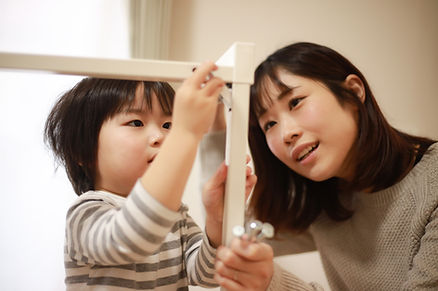
-
Floortime, or supported playtime, doesn't necessarily need to be done on the floor, but it helps to be at the child's level.
-
The underlying principle of this scientifically backed technique is that emotions drive learning.
-
Supported playtime honors the connection between adult and child and builds on it. It helps children develop autonomy, enabling them to make better decisions and solve problems.
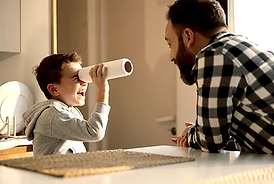

How to do it
Grab a beverage and sit down close to one of your children as they play. Observe quietly. Make an occasional comment. When appropriate, ask a simple question out of genuine curiosity. Don't try to teach them anything.
For example, you might say, "The doll fell down." I wonder what will happen next? Instead of, What color is the doll's dress?
Put aside any judgment you have about their behavior or choices. This is the hard part. We always want to teach them, but it's best to let them lead the show occasionally. Play is the perfect opportunity for them to try out skills and language freely. Let them.
Next time, we'll discuss how to set appropriate boundaries when needed without judgment or blame.


During supported playtime, we become the child's assistant for a while.
Use this time to learn about them. Notice what they're trying to accomplish in their play. Since play is nature's best way for children to learn, you're off the hook.
Enjoy your child. Since the pressure is off to teach, you'll probably be more relaxed and happier than ever, just to be with them. Even if they're slow to warm up at first, they will open up sooner or later, depending on the child, so make sure to listen carefully when they do.
Even though the child is in the lead, you can respond to what they choose to do and perhaps build on it, but only a little. Keep in mind that this is their show. It's their opportunity to learn and to shine
This is the best way to support their learning and to build a stronger bond between you. Even though you maintain good-natured control overall, allowing them to lead you for a short period can be highly beneficial to their development.